 AI WORLD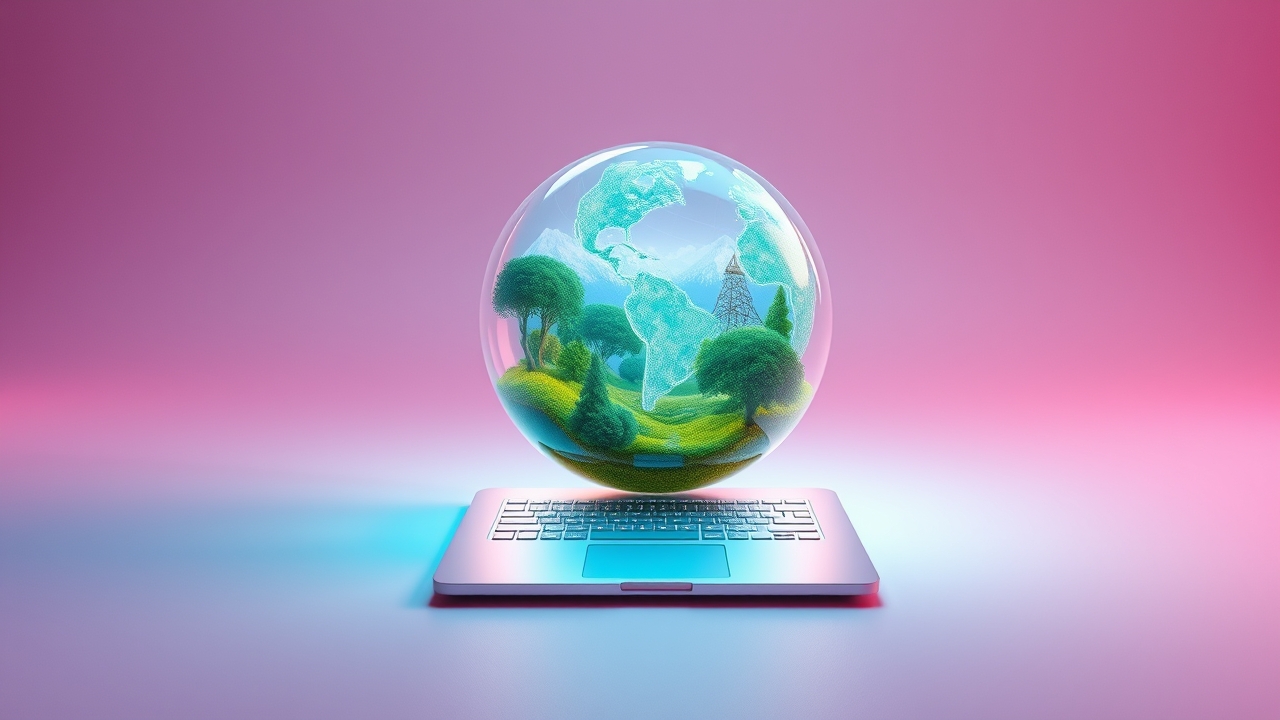
Explore the World from Home: How AI Creates Digital Places
Imagine being able to "walk through" a redesigned kitchen before a single hammer swings, or exploring the streets of a far-flung holiday destination from your couch. This vision of interacting with virtual versions of real places is becoming increasingly possible, thanks to clever advancements in artificial intelligence.
What is AI Environmental Simulation?
At its heart, AI environmental simulation is about teaching computers to create incredibly detailed, lifelike digital versions of places. Think of it like a digital twin – not just a flat map or a photo, but a fully interactive 3D model that looks and feels like the real thing. This might involve building a virtual model of your local park, a bustling city intersection, or even an entirely new, imaginary landscape.
These AI systems learn from vast amounts of data – like countless photographs, 3D scans, and geographical information. They then use this understanding to intelligently fill in gaps, generate realistic textures, and predict how light and shadows would behave, making the virtual environment feel truly immersive.
Bringing Places to Life, Digitally
So, how does AI achieve this magic? It's a complex process, but here’s a simplified look:
- Data Collection: AI models are fed huge datasets. This could be anything from satellite imagery and high-resolution photos (like those from popular mapping services) to architectural blueprints and laser scans of buildings. The more data, the richer the learning.
- Understanding Structure: The AI doesn't just copy pixels; it learns the structure of a place. It recognises buildings, roads, trees, and objects, understanding their relationships and how they're arranged in 3D space.
- Generation & Refinement: Once it understands the components, the AI can then generate a complete 3D environment. It fills in details, adds realistic lighting, and even predicts how objects might look from different angles. Some advanced systems can even predict how people or traffic might move through these spaces.
This isn't just for fancy tech demonstrations; the aim is to create practical tools that anyone can use.
Practical Uses for AI-Generated Environments
This capability opens up a world of possibilities for both your personal life and professional work:
- Home Renovation & Design: Planning a new bathroom or rearranging your living room? You could soon upload photos of your space, and AI could generate a 3D model, allowing you to try out different paint colours, furniture layouts, or even structural changes before committing to anything.
- Virtual Tourism & Exploration: Can't travel right now? Take a virtual stroll through ancient ruins, explore a new city's streets, or preview a hotel lobby, getting a true feel for the place without leaving your home.
- Urban Planning & Development: City planners can simulate new building projects or traffic flow changes in a digital twin of their city, seeing the potential impact before breaking ground. This helps make better, more sustainable decisions.
- Real Estate & Retail: Buyers could virtually tour properties from anywhere in the world, while retailers could design and test new shop layouts, optimising customer flow and product placement in a simulated environment.
Wrap-up
AI's ability to create realistic digital environments is set to change how we plan, explore, and interact with spaces. From designing your next home project to experiencing a distant land, these virtual worlds offer practical benefits right at your fingertips. Why not search for some home design apps that let you "place" furniture in your room using your phone's camera, and get a taste of this amazing technology today?