 AI WORLD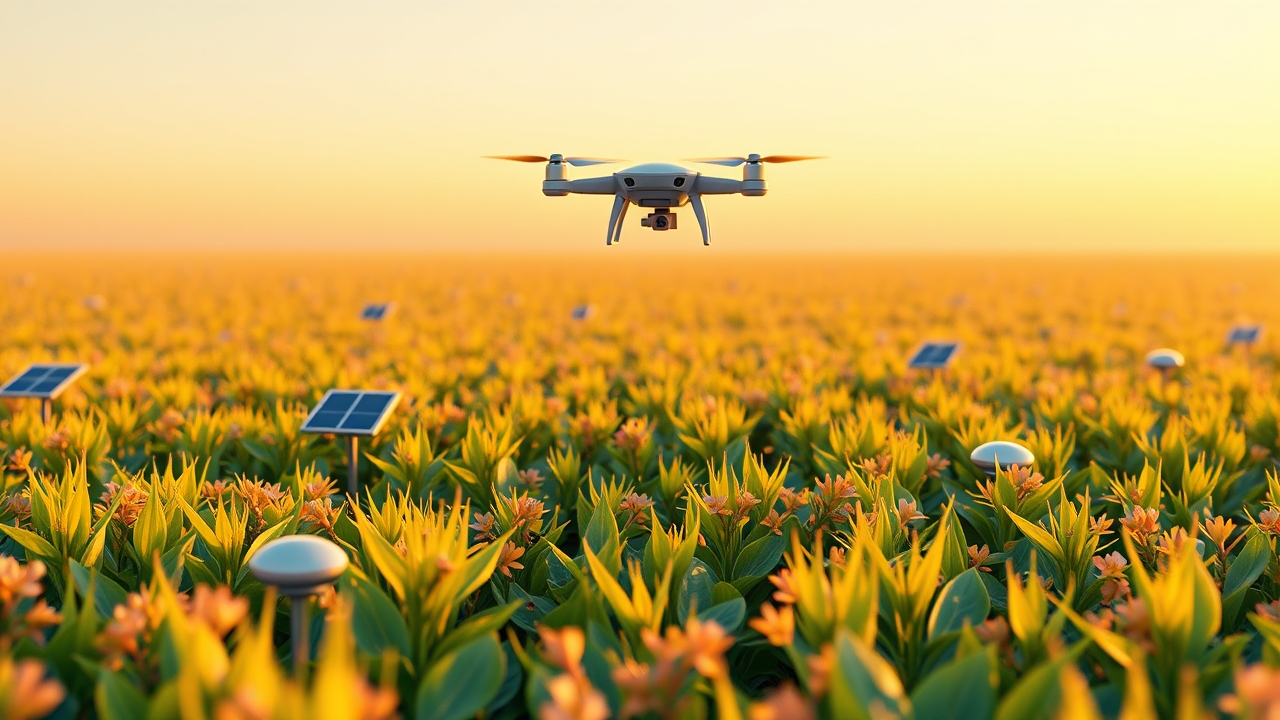
How to Leverage Microsoft’s ‘Farm of the Future’ Toolkit for Smarter Agriculture
Ever stood in a wheat field wondering whether you’re using just enough water, or stared at a spreadsheet hoping it would magically reveal the perfect planting date? The new toolkit from Microsoft makes those “what‑if” moments a lot less guess‑work and a lot more data‑driven.
What the toolkit actually is
Microsoft’s Farm of the Future (FoF) toolkit is a collection of open‑source software that brings together three core pieces:
- Edge‑computing devices – small computers (think of a Raspberry Pi, but rugged) that sit right next to your sensors and run AI models locally. This reduces the need to send every data point to the cloud.
- AI models – pre‑trained large language models (LLM – a type of AI that understands and generates text, similar to the engine behind ChatGPT) and computer‑vision models that can analyse images from drones or ground cameras.
- Integration layer – a set of APIs (application programming interfaces – basically a set of rules that let different software talk to each other) and sample dashboards that turn raw numbers into visual insights.
Because everything is open source, you can download, tweak, and share the code without paying licence fees.
Step 1: Get your data foundation right
Before you can run any AI, you need data. Here’s a quick checklist:
- Sensors – soil‑moisture probes, weather stations, and satellite‑derived NDVI (Normalised Difference Vegetation Index – a colour‑coded map that shows plant health).
- Connectivity – a reliable 4G/5G or LoRaWAN (low‑power wide‑area network – a wireless system designed for long‑range, low‑bandwidth sensors) link that pushes data to your edge device.
- Data schema – decide on a simple format, such as JSON (a text‑based way to organise data like “field”: “North Block”, “moisture”: 22). Keeping it consistent saves headaches later.
Step 2: Deploy the edge‑computing hub
- Choose hardware – a ruggedised mini‑PC with at least 8 GB RAM is sufficient for most models.
- Install the FoF software stack – Microsoft provides a Docker‑compose file (Docker is a tool that packages an app with everything it needs to run). Running
docker‑compose upon the device pulls in the AI model, the API server, and the dashboard starter. - Connect sensors – map each sensor’s output to the JSON schema you defined. The toolkit includes sample scripts that translate raw voltage readings into the standard format.
Step 3: Run AI‑driven analyses
With the data flowing, you can now ask the AI to do useful work:
- Crop‑health detection – feed drone images into the computer‑vision model; it returns a heat‑map highlighting stressed patches.
- Irrigation recommendations – the LLM interprets current moisture levels, weather forecasts, and crop stage to suggest how much water to apply each zone.
- Yield forecasting – combine historical harvest data with current growth trends; the model produces a probability distribution of expected tonnage.
All of these predictions happen on the edge device, meaning you get results within seconds and without relying on an internet connection.
Step 4: Turn insights into action
The toolkit ships with a simple web dashboard (accessible on a phone or tablet) that visualises:
- Real‑time sensor read‑outs.
- AI‑generated alerts (“Moisture below 15 % in South Block – consider irrigation”).
- Historic trends for comparison.
You can also hook the API into existing farm‑management software. For example, an automated pump can be triggered by the AI’s irrigation recommendation, creating a closed loop that saves water and labour.
Wrap‑up
Microsoft’s open‑source Farm of the Future toolkit turns raw sensor data into actionable AI insights without demanding a big budget or a PhD in machine learning. By setting up a few edge devices, feeding them consistent data, and using the built‑in models, you can make smarter irrigation, spot disease early, and predict yields with confidence.
Your next step: pick one sensor (e.g., a soil‑moisture probe), hook it up to a cheap edge computer, and run the sample Docker‑compose file. Within a day you’ll have a live data feed and a first glimpse of what AI can do for your farm. Happy planting!