 AI WORLD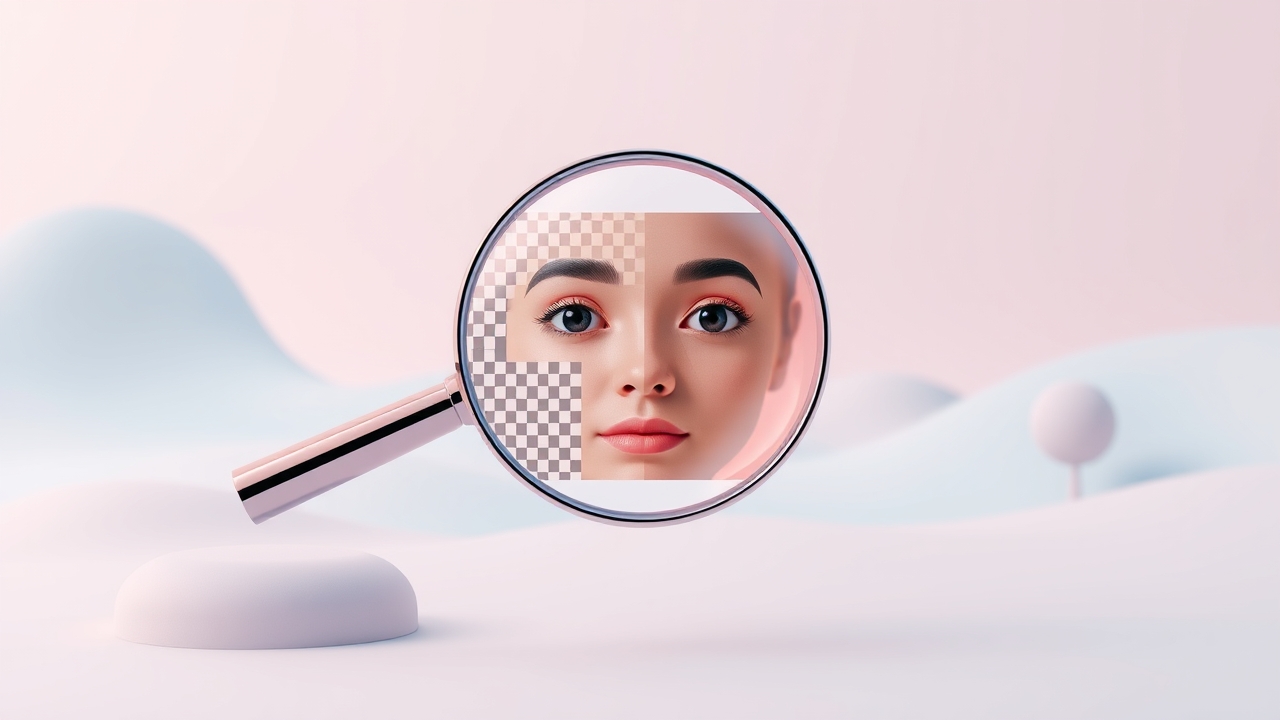
How to Spot AI-Generated Content in Your Online Feed
Have you ever scrolled through your social media or news feed and seen an image that just looked... off? Or read a headline that promised the world but delivered nothing substantial? Increasingly, artificial intelligence (AI) is behind some of this strange content, and knowing how to spot it is becoming a vital skill for navigating your daily digital life.
What is AI-Generated Content and Why Does it Appear?
AI-generated content refers to text, images, or even sounds created by artificial intelligence programs. These tools, often called large language models (LLMs, like the engine behind ChatGPT) for text, or image generators for visuals, learn by analysing vast amounts of existing data. They then use these patterns to create something new.
Why is this content popping up in your feeds? Well, AI can create content incredibly fast and at a huge scale. Sometimes this is useful, like helping writers draft ideas or artists find inspiration. But other times, it's used to quickly churn out articles or images designed to grab your attention – often with sensational headlines or eye-catching visuals – without necessarily providing accurate or high-quality information. This is where the term "clickbait" comes in, and AI can be very good at creating it.
One key thing to understand about AI is that it sometimes "hallucinates." This means the AI confidently makes up facts, figures, or visual details that aren't real, simply because the patterns it learned suggest it should put something there.
Visual Clues: Spotting AI-Generated Images
AI-generated images have come a long way, but they still often leave subtle hints. Here are a few things to look for:
- Distorted or extra body parts: Hands and fingers are notorious sticking points for AI. Look for too many fingers, strangely bent limbs, or unnatural body proportions.
- Unusual backgrounds or objects: The background might be blurry in odd ways, or objects might morph into each other. Sometimes everyday items like cups or glasses will have strange reflections or unusual shapes.
- Inconsistent lighting and shadows: The light source might not make sense, or shadows could fall in unnatural directions.
- Nonsensical text: If there's text in an image (like on a sign or a book cover), check if it's readable, makes sense, or looks like gibberish. AI often struggles with realistic lettering.
- Symmetry and repetition: Sometimes AI creates overly symmetrical or repetitive patterns that feel unnatural in a real-world scene.
Keep in mind that AI image generation is constantly improving, so these "tells" are becoming harder to spot.
Textual Clues: Identifying AI-Generated Text
AI-written articles or social media posts can also have common characteristics:
- Sensational or vague headlines: They grab attention but often lack concrete details, promising a lot but delivering little substance.
- Repetitive phrasing: The AI might reuse similar sentence structures or phrases throughout the text.
- Lack of specific details or sources: Genuine articles usually cite specific examples, names, dates, or studies. AI-generated text often speaks in generalities.
- Overly formal or generic language: The writing might sound stiff, overly academic, or just a bit bland and lacking a distinct human voice. It can also lack nuance, presenting things in a very black-and-white manner.
- Confidently incorrect facts (hallucinations): As mentioned, AI can simply make things up. If something sounds too unbelievable or contradicts what you know, it could be an AI hallucination.
- Awkward phrasing or grammar: While AI is good at grammar, sometimes cultural idioms or complex sentence structures can be slightly off.
Wrap-up
The rise of AI-generated content means we all need to be a little savvier about what we consume online. By learning to identify the tell-tale signs of AI-created images and text, you can better navigate the digital world and protect yourself from misleading or low-quality information. Start today by simply paying closer attention to the next strange post you see in your feed – those small details might just reveal the AI behind it.