 AI WORLD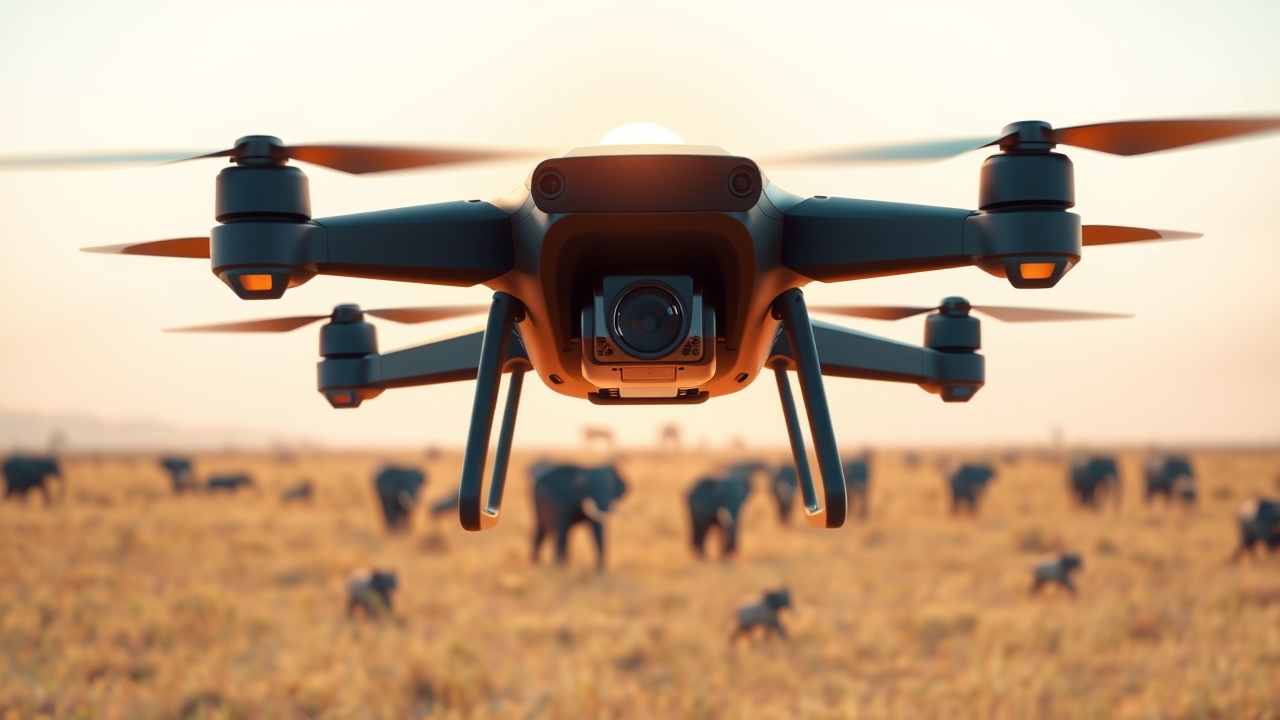
How AI-Powered Drones Are Quietly Protecting Our Wildlife
Imagine standing on a windy coastal cliff during a weekend walk, squinting at the ocean waves hoping to catch a fleeting glimpse of a dolphin fin. While finding marine life is a thrilling game of patience for us, local researchers face the monumental task of counting and protecting these precious creatures across vast, unpredictable waters.
Traditionally, monitoring endangered species has been a slow, costly, and sometimes disruptive task. Scientists had to spend hours on noisy boats or in helicopters, peer through binoculars, and manually count animals. Today, the combination of lightweight drones and smart software is quietly transforming how we care for our natural world.
How does a drone get "smart"?
A standard drone can capture beautiful aerial footage, but it still requires a human to sit down and watch hours of video to spot a single animal. By adding artificial intelligence to the mix, the drone itself can understand what it is looking at in real-time.
The secret behind these high-tech sky cameras relies on three clever concepts:
- Computer vision (the technology that allows computers to "see" and understand visual information): This is the same technology that lets your smartphone unlock when it recognises your face. In the wild, it helps a drone distinguish a dolphin fin or a koala from a floating log or a shadow.
- Machine learning (a method where an AI learns to spot patterns by looking at thousands of examples, rather than following rigid rules): To train the drone, researchers feed the AI system thousands of photos of the target animal. Over time, the system learns the distinct shape, colour, and movement patterns of the species.
- Edge AI (running smart software directly on a small, portable device instead of sending data back to a massive cloud database): In the middle of the ocean or deep in the bush, there is no mobile reception. Edge AI allows the drone to process what it sees instantly on its own internal computer chip, without needing an internet connection.
Why this is a win for nature
Using AI in the sky is far more than just a cool tech trick. It keeps animals safe. Because drones can fly high above the water or tree canopy, they do not disturb the natural behaviour of sensitive species.
Furthermore, the AI can do things human eyes struggle with. It can count an entire pod of dolphins in a split second, track their swimming speeds, and even estimate their body condition to see if they are getting enough food. This gives conservationists the precise data they need to make urgent decisions about protecting marine parks and habitats.
Wrap-up
AI-equipped drones are proving that technology can be a powerful ally in preserving our planet's biodiversity. By taking over the tedious task of searching and counting, these smart tools are giving conservationists more time to focus on what really matters: saving species from extinction. To see how this technology feels in your own hands, try downloading a nature identification app today and discover the plants and wildlife living in your own backyard.